
Stewart Thomson
Most people view a property and make a decision based on how it feels. I understand why. But feeling good about a house and it being a sound purchase are two different things entirely.
After 20 years of buying, refurbishing, and selling property across Glasgow and the Central Belt, I evaluate every property the same way. I look at the same things in the same order. Not because I follow a checklist blindly, but because I learned early on that skipping steps costs money.
Here is how I do it.
Start outside before you go in
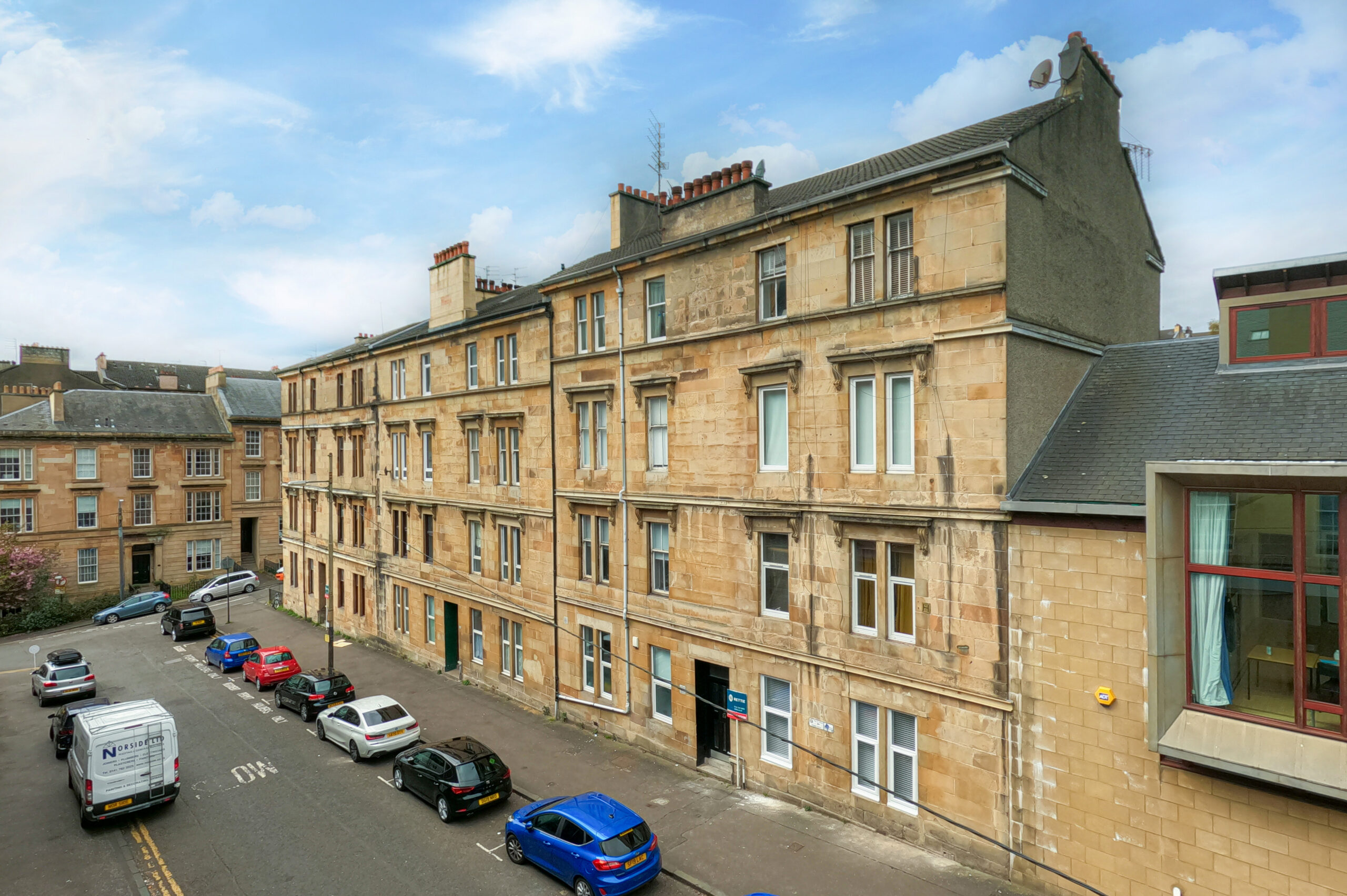
Walk the perimeter before you touch a door handle. Look at the roof. Are slates or tiles missing? Are the gutters clogged or pulling away from the fascia? Check the pointing on the brickwork or stonework. Crumbling mortar means water is getting in. Look at the ground level around the base of the walls. If soil is banked up against the wall above the damp course, that is a problem waiting to happen.
None of this takes more than five minutes. What you see outside sets the frame for everything you are about to see inside.
Work room by room with your senses
When I walk into a property for the first time, the first thing I do is smell it. A musty, damp smell is not something you can cover with a quick clean. It means moisture is present somewhere, and finding it will cost you time and money. Take that seriously before you look at anything else.
Then look at the walls and ceilings. Fine hairline cracks are normal in older properties. Diagonal cracks running from the corners of door and window frames, or stepped cracks following the mortar joints in older stonework, are a different matter. Those suggest structural movement. Get a surveyor in before you go any further.
Ceilings with brown or yellow staining mean water has been coming in from above. The stain tells you where it reached, not where it started.
Test everything that should work
Turn on taps in the kitchen and the bathroom. Check the pressure. A slow trickle from a first-floor tap can mean a water pressure issue that costs several thousand pounds to resolve. Let the sink fill and watch it drain. Slow drainage suggests a blocked or aging pipe.
Flush the toilet and watch the cistern refill. It should fill cleanly without running on.
Turn on the heating if you can. Listen for the boiler igniting. A modern condensing boiler should fire up cleanly and quietly. If the boiler is over 15 years old, plan for replacement. A new boiler costs between four and eight thousand pounds fitted, and that needs to come off your offer price.
Check the electrics. Look at the consumer unit. An older fuse board with rewireable fuses rather than modern circuit breakers tells you the electrics have not been updated in decades. That is not automatically a deal-killer, but it means getting an EICR report done before you commit. A full rewire on a two-bedroom flat costs between three and six thousand pounds.
The damp check
Damp is the issue that derails more purchases than anything else. There are three types worth knowing.
Rising damp comes up from the ground. It usually shows as staining on the lower metre of walls, sometimes with a white powder deposit called efflorescence, and a consistent musty smell. It costs between five and fifteen thousand pounds to treat properly.
Penetrating damp comes through external walls, usually after rain. You will see staining around window reveals, above skirting boards on external walls, or patches that appear and disappear with the weather. Causes range from failed pointing to defective render, and repair costs depend on what needs fixing.
Condensation is the most common and least serious. Black mould in bathroom corners or on north-facing bedroom walls usually means poor ventilation rather than structural damp. It is fixable for a few hundred pounds.
If you smell damp or see staining, do not guess. A damp survey costs between one and two hundred pounds and gives you a definitive answer.
Run the numbers before you leave
A property viewing without a rough appraisal at the end is just tourism. Before you walk out of the door, you need a working estimate of what the property is worth in its current condition, what it would cost to bring it to a good standard, and what it would sell for once that work is done.
In Scotland, your buying costs include LBTT on the purchase price, solicitor fees, and searches. If you are buying as an investor with bridging finance, add the arrangement fee, monthly interest, and exit fee. On a one hundred thousand pound purchase, your total entry cost before you spend a penny on the property itself is typically between twelve and fifteen thousand pounds.
The refurbishment budget needs to be realistic, not optimistic. Get three quotes for everything and take the middle one. Then add fifteen percent as contingency. Properties rarely throw up fewer surprises than you expect.
Your exit price needs to be supported by comparable sales in the same area in the last three months, not asking prices and not your hopes. The difference between a deal and a disaster is almost always the exit price being wrong.
What I look for in the context of an investment
If I am evaluating a property for my investment criteria, I need the numbers to work on a conservative basis. Not best-case. Not if everything goes to plan. If half of it goes wrong, can I still come out with a margin worth having.
A property that looks rough but has a sound structure and dry walls is often worth more than a property that looks clean but has underlying damp or electrics that need replacing. The cosmetic work is cheap and fast. The structural and systemic work is expensive and slow.
That is the difference between a property that works as an investment and one that looks like one.
The short version
Approach and exterior first. Smell before you look. Test every system that runs. Assess walls and ceilings for water. Run the numbers before you leave. And never let how a property makes you feel override what the evidence is telling you.
—
Stewart Thomson is a property developer based in Glasgow with over 20 years of experience buying and refurbishing residential property across Central Scotland.