
Top4 Marketing
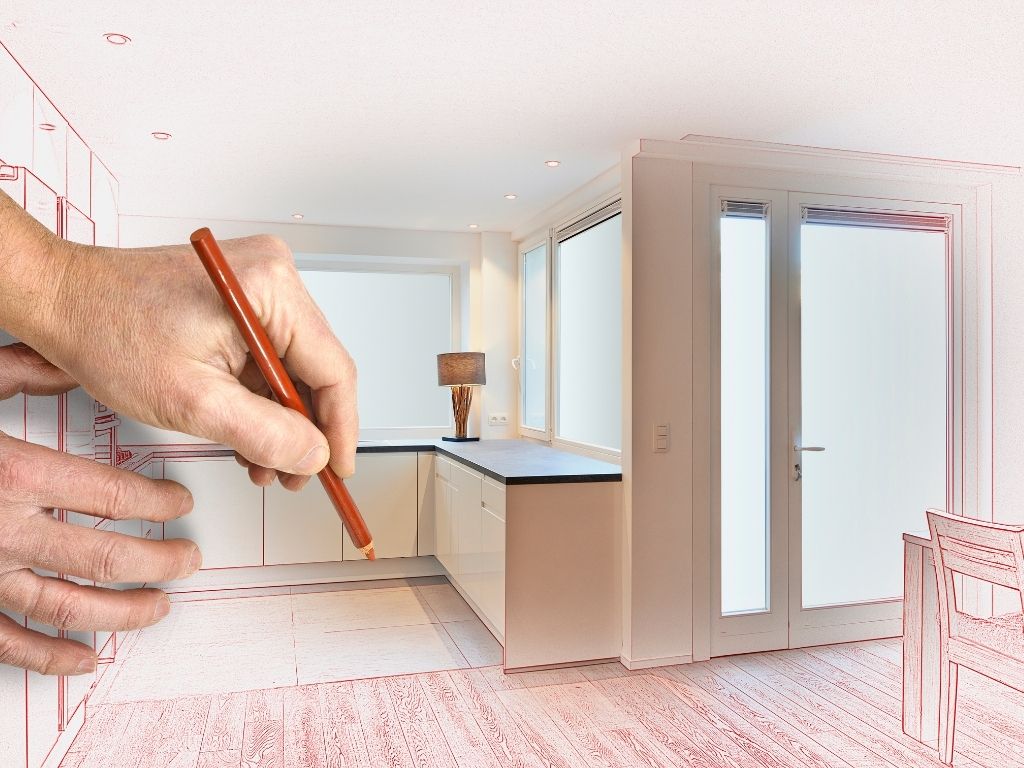
House flipping is a strategy where you buy a property, renovate it, and sell it quickly for a profit. The goal is to find a property that’s undervalued or in need of repairs, make improvements, and sell it for more than you paid.
The process involves purchasing a property below market value, renovating it to increase its appeal, and then flipping it for a profit. It’s a popular way to invest in real estate, especially in markets like Scotland, where renovation opportunities can offer strong returns. This article will show you how to budget effectively and finance your house flip in Scotland.
Breaking Down Your House Flipping Budget
A successful house flip starts with a solid budget. Knowing exactly how much you’re going to spend on each part of the process helps you stay on track and avoid surprises.
The main costs involved in a property flip include purchase costs, renovation expenses, and selling fees. Here’s a breakdown of what to expect:
Purchase Costs
The first thing you’ll need is the capital to buy the property. The purchase price is just the beginning. You’ll also need to factor in a deposit, which is typically around 10% of the property’s value.
For example, if you buy a house for £400,000, your deposit will be £40,000. If you’re working with a joint venture (JV) partner, the remaining £360,000 may be paid in cash, helping you avoid higher-interest loans.
Flipping Renovation Costs
Renovations are where most of your budget will go. Break these costs down accurately to avoid running over budget. Key renovation costs include:
- Materials: Basic building materials such as timber, plaster, and tiles can cost thousands. For example, general materials for renovations could be around £22,000.
- Labour and Trades: You’ll need electricians, plumbers, plasterers, and other tradespeople. This can run up to £50,000 for a standard renovation, depending on the size of the property and the level of work needed.
- Specific Renovations: For budgeting, cabinets usually cost around £4,000–£5,000, worktops about £800–£1,000, and appliances roughly £2,000. A simple bathroom renovation can be around £900. Flooring, including materials and installation, typically falls between £2,500 and £3,000. Exterior paint and minor repairs might cost about £1,000–£1,300, while roof repairs are usually near £800–£900. Prices will vary depending on the project and location.
Additional Work
Sometimes you’ll need to do extra work beyond the basics:
- Deck and Pathway: Timber for a deck extension might cost £1,500, while improving the pathway could cost another £300.
- Sliding Doors: If replacing sliding doors, you could pay about £600 for a second-hand door and installation.
Miscellaneous Costs
Don’t forget about smaller costs that can add up, like rubbish removal (£400), van hire (£220), and staging the property for sale (£3,500).

Financing Your Property Flip
You’ll need enough cash not just to buy the place, but also to cover repairs and any surprises along the way. How you fund it all depends on where you’re at financially and how much experience you’ve got in the game.
- Traditional Mortgages
For those with strong credit and a stable financial background, a traditional mortgage might be the best option. This route typically offers lower interest rates, but the process can take longer, and you’ll need to meet the lender’s requirements. It’s worth considering if you plan to keep the property for a while before flipping it. - Bridging Loans
Bridging loans are short-term loans designed for property transactions. They’re ideal for house flipping, as they allow you to buy a property quickly and start renovations without waiting for long approval processes. However, bridging loans tend to come with higher interest rates, so you’ll need to ensure that your project timeline allows for a profitable sale. - Joint Venture (JV) Partnerships
Joint venture partnership could be a great option. In this arrangement, you team up with an investor who provides the majority of the capital, while you handle the renovation and management. Profits are split based on the agreement, giving you access to funds without having to take on all the financial risk. - Private Investors
Private investors can offer another way to fund your property flip. These individuals or companies may provide loans or equity financing in exchange for a return on their investment. The terms can vary widely, so it’s important to ensure both parties understand the agreement before moving forward. This option can be faster than a bank loan and might be more flexible in terms of repayment. - Personal Savings
Using your own savings to finance a flip can save you from paying interest and dealing with the complexities of loans or partnerships. However, using personal funds carries higher risks, as your savings are tied to the success of the project. If you’re confident in your ability to manage the flip, this could be a viable option.
FInding The Property
The first step in property flipping is sourcing the right property. In Scotland, you can find deals through auctions, estate agents, or direct seller approaches. Look for properties that are priced below market value and have potential for improvement.
Consider location, condition, and the type of property you’re interested in flipping. Urban areas like Glasgow and Edinburgh often have more opportunities, but smaller towns like Falkirk and Linlithgow can offer hidden gems.
Financing the flip
And of course, you should secure your money first. You can’t flip a property if you haven’t figured out how to pay for it. Many people use traditional mortgages, but bridging loans or investor funding can help if you need quicker cash.
It’s important to make sure your financing covers the purchase price and the renovation costs, plus any unexpected expenses.
Renovating the property
Now comes the real work—renovating the property. This is where you make your money, but you have to be strategic.
Focus on upgrades that will bring the most value, like a modern kitchen, refreshed bathrooms, or improving the exterior for better curb appeal. Avoid going overboard with major structural changes unless absolutely necessary.
Stick to cosmetic changes that will give you the highest return on investment. Stay within your budget and keep a close eye on your timeline to make sure the renovation doesn’t eat into your profits.
Renovating the Property
Renovating a property can add significant value and impact profit, but it’s important to be strategic and realistic about the changes made. Rather than focusing on high-cost renovations, concentrate on improvements with the best return on investment.
Key areas like the kitchen and bathroom have a big impact on a property’s value. Spending £4,500 on kitchen cabinets and £2,500 on appliances can make a noticeable difference, while a £900 bathroom renovation can enhance marketability.
New flooring and fresh paint can makeover a property affordably, with £2,800 on flooring and £1,200 on exterior paint significantly improving curb appeal. Structural improvements like roof repairs or replacing damaged sheets may cost around £850 but can increase the property’s value.
Adding functionality, such as extending a deck or replacing sliding doors for £1,800 and £600 respectively, can make the space more attractive to buyers. Finally, staging the property with a £3,500 budget can help potential buyers envision themselves in the space and showcase its best features.
Final Considerations Before Flipping Your First Property
Properly budgeting and financing your house flip is the foundation of a successful project. By understanding all the costs involved—purchase, renovation, holding, and selling—you’ll have a clear picture of what you need to make a profit. Whether you’re financing with a loan, joint venture, or private investors, having a solid plan will make all the difference.
If you’re serious about flipping properties in Glasgow, Falkirk, Linlithgow, or Edinburgh, Stewart Thomson Property offers coaching and referral programs to help you avoid costly mistakes and maximise returns.