
Top4 Marketing
Property flipping in Scotland can offer profitable returns, but only if you approach each deal with a solid understanding of the costs involved and the potential value after renovation. Here’s how to analyse a property flip in Scotland to ensure your investment is a smart one.

Step 1: Accurately Calculate Purchase Costs
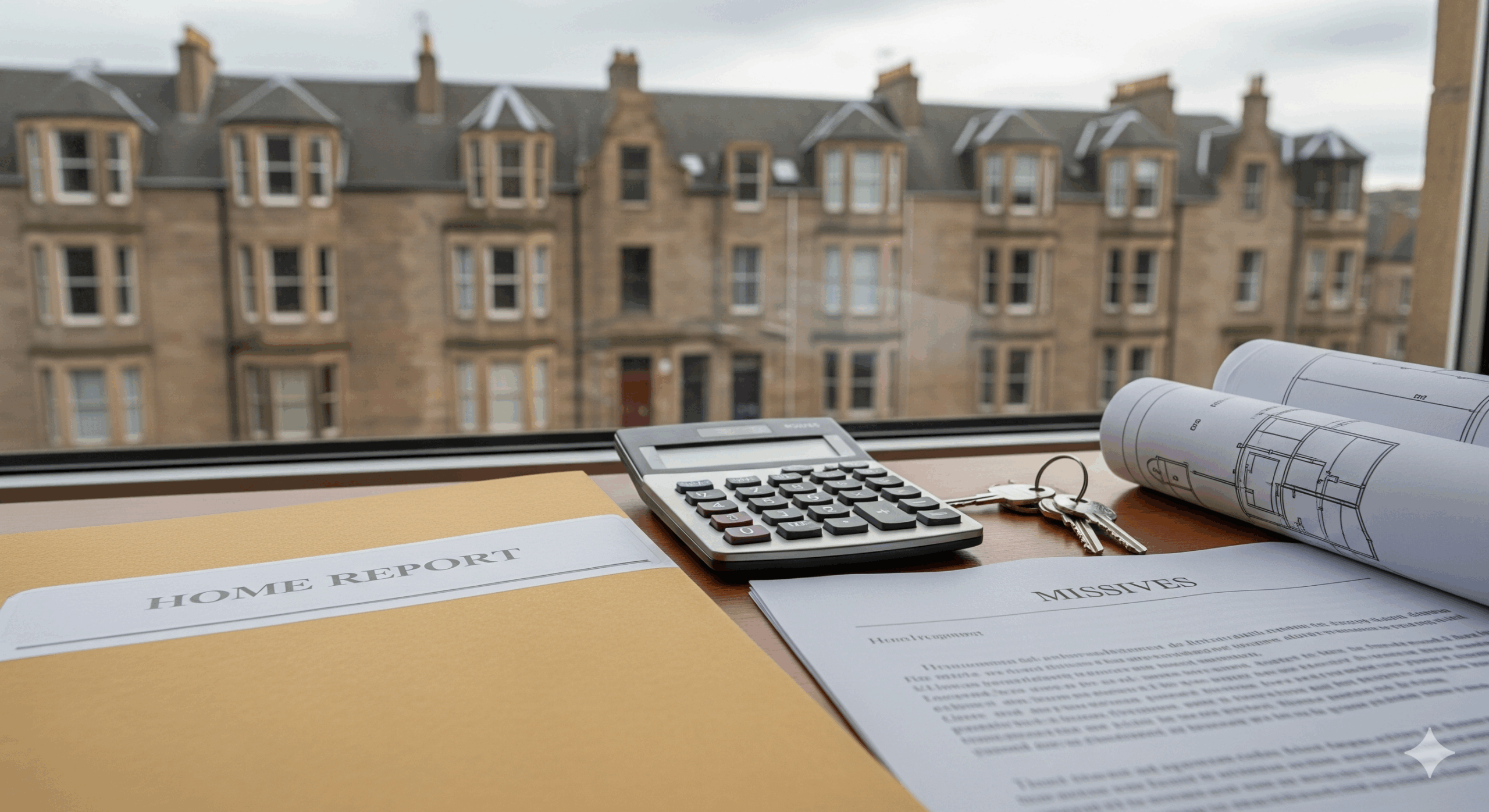
The first step in a property flip is to understand the full purchase costs. This starts with the Home Report, which gives a detailed assessment of the property’s condition and market value.
The Home Report helps you gauge whether the asking price is fair and provides a clearer idea of what you might be paying for.
Alongside this, you’ll need to account for other expenses, including:
- LBTT (Land and Buildings Transaction Tax)
A tax based on the property price. It’s a main consideration when budgeting for your purchase. - Finance Costs
If you’re borrowing money, consider loan interest rates and any fees associated with securing funding. - Survey Fees
Always get a survey to identify any structural issues or hidden problems with the property. - Legal Fees
Solicitors will charge for services such as title checks, contract work, and conveyancing. - Additional Dwelling Supplement (ADS)
An 8% tax on additional properties (e.g., if you’re buying a second home).
Factoring in these costs will give you a clearer picture of the total investment required to acquire the property.
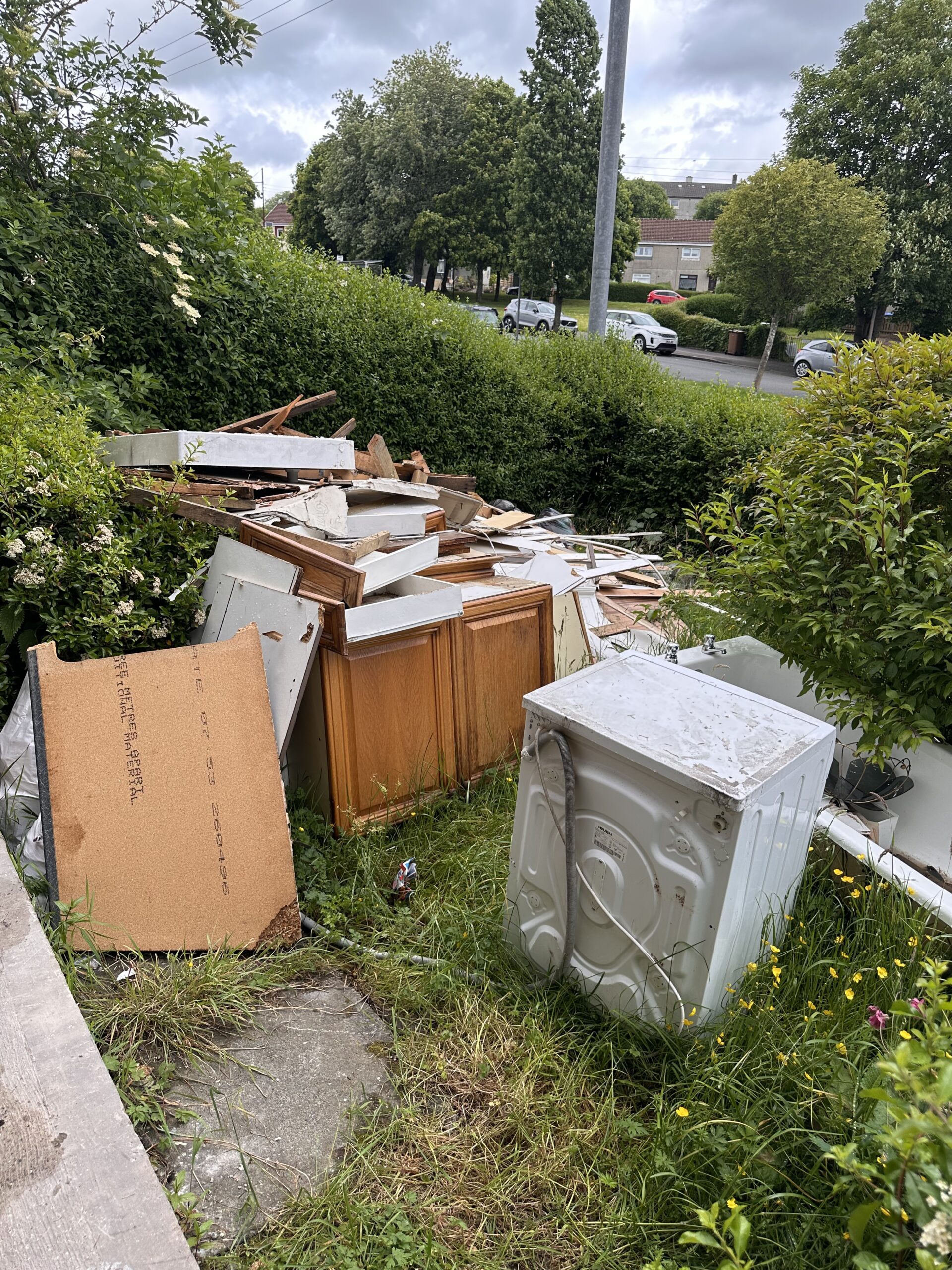
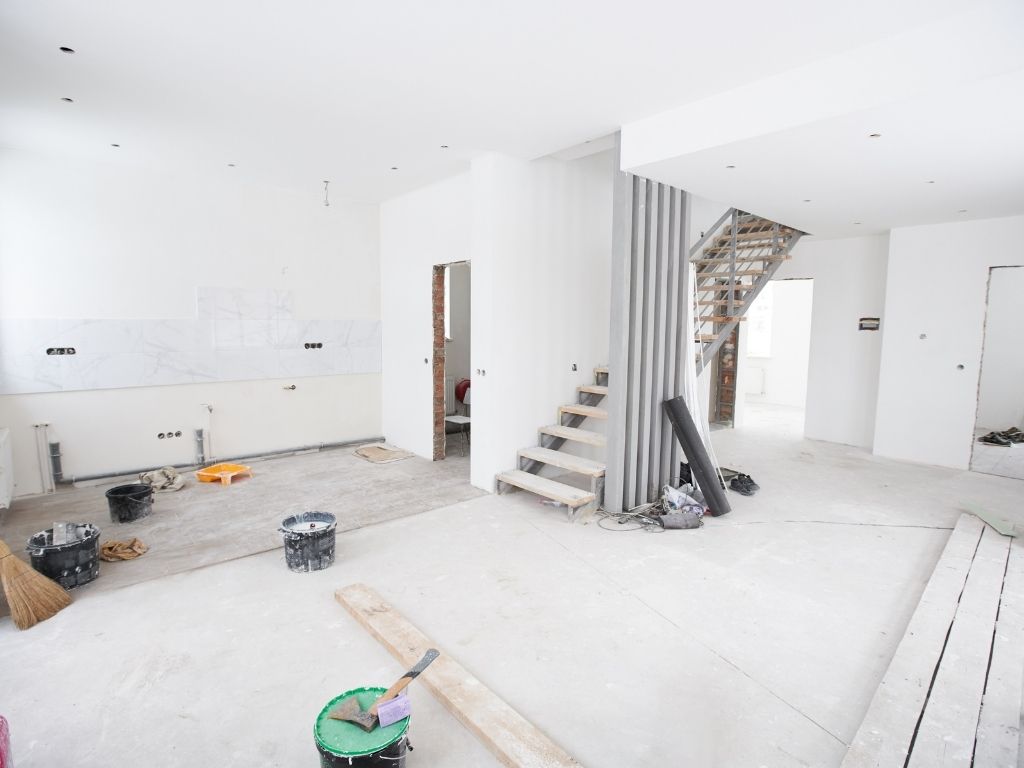
step 2: Set a Realistic Refurbishment Budget
- Labour
The time and skill required to carry out the necessary work. - Materials
Always overestimate slightly to account for any price fluctuations during the project. - Contingency
A 10–15% buffer in case unexpected issues arise during the renovation.
You should also consider local buyer expectations. The refurb should align with what is typical for the area. Over-investing in luxury features or high-end finishes that don’t add significant value could limit your return.
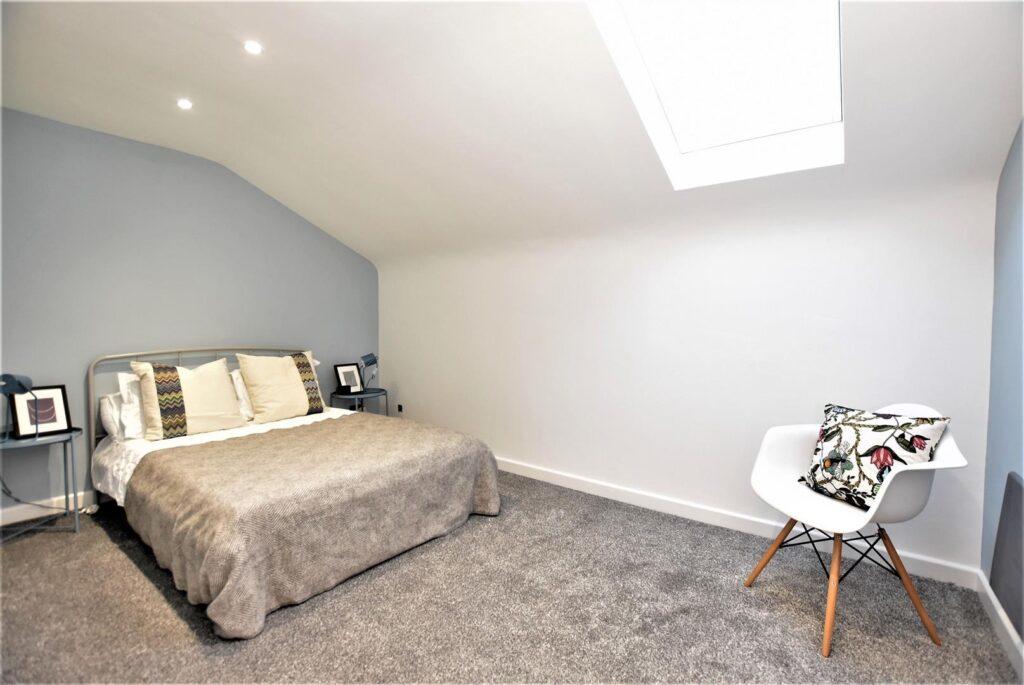
Step 3: Estimate Exit Value and Potential Profit
Don’t forget to account for:
- Selling Fees
These include estate agent commissions, legal fees, and marketing expenses. - Staging Costs
You may need to invest in professional staging to present the property in the best possible light.
Subtract these costs from the expected selling price to calculate your net profit margin. A solid flip should aim for at least a 20% ROI after all expenses, which helps ensure you’re making a worthwhile investment.
FAQ:
-
What is the Home Report in Scotland?
The Home Report is a mandatory document in Scotland that provides an independent assessment of a property’s market value, condition, and energy efficiency. It’s essential for informed buying decisions. -
What taxes should I consider when purchasing a property in Scotland?
When purchasing property, you need to account for LBTT and possibly ADS (Additional Dwelling Supplement), which currently stands at 8% for second homes or buy-to-let properties. -
How do I calculate profit from a property flip?
To calculate profit, subtract the total purchase, refurbishment, and selling costs from the final sale price. Aim for at least 20% ROI to make the flip worthwhile. -
Why is the refurb budget so important?
An accurate refurb budget helps prevent overspending, which is a common pitfall in property flips. Always get quotes from professionals and allow for contingencies in case costs rise unexpectedly. -
How can I avoid common mistakes when flipping property in Scotland?
To avoid mistakes, ensure you factor in all costs, use accurate builder’s quotes, and make sure your property aligns with market trends. Always assess comparables to ensure your sale price is realistic.
Conclusion
If you’re considering your first property flip or looking for guidance on your next project, get in touch with Stewart Thomson Property. We’re here to offer practical advice and support to help you make informed decisions every step of the way. Let’s discuss how we can assist with your investment goals.